Source USP Grade Methyl Sulfone for Food, Medical, and Functional Uses
Compare 30 listings for USP grade methyl sulfone from verified suppliers. Buyers can evaluate purity, packaging, and certifications for food additives, medical applications, and functional nutrition products. Detailed specifications including mesh size, grade, and storage methods are available for informed sourcing decisions across various industrial sectors.
Key considerations
Products List




Comprehensive Sourcing Guide
USP Grade Methyl Sulfone Sourcing Guide
USP grade methyl sulfone, widely known as MSM (methylsulfonylmethane), is an organosulfur compound supplied predominantly as a white crystalline powder for use in foods, functional foods, and nutrition-enhancer formulations. Procurement teams sourcing this material encounter listings spanning food grade, medical grade, and USP-standard product lines, with observed price ranges in listings extending from roughly one dollar to several thousand dollars depending on pack size, purity specification, and order volume. This spread reflects the diversity of packaging formats on the market, from small sample quantities to full 25kg drum shipments.
This guide is written for B2B buyers—formulators, contract manufacturers, and distribution procurement managers—who need a disciplined framework for evaluating listings rather than relying on headline claims. Because methyl sulfone is a chemically simple, high-purity compound, differentiation between offers comes down to verifiable specifications, documentation quality, mesh-size fit, and commercial terms. The sections below walk through scope, technical verification, compliance, cost, supplier qualification, and long-term checks, using only signals observable in current listings and established category knowledge.
Product Scope and Observed Listing Signals
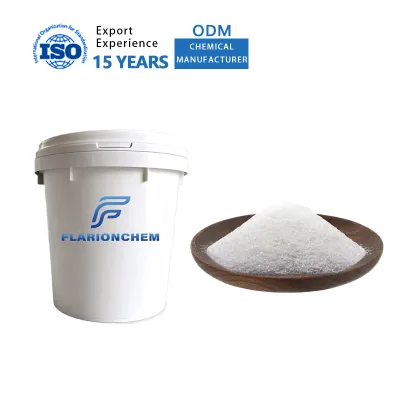
Current product listings cluster around three recognizable product models: MSM for foods (MSM-FOODS), MSM for pet foods (MSM-Pets Foods), and general USP-standard material. Observed attributes consistently describe a white crystalline powder produced via chemosynthesis, with assay values stated at 98.0%–102.0% and purity claims above 99%. Standard purity references of 99% appear across listings, and stated usage is foods additive and nutrition enhancer, applied to foods and functional foods. Buyers should treat these attributes as listing observations to confirm, not guarantees that every offer meets them.
Intended-user attributes vary by listing: some products target adults only, others extend to elderly and children, and some are positioned for elderly and adult use. Packaging signals include bulk packing, carton drums, pallets, and aluminum foil bag or cardboard bucket formats, with retail packing explicitly excluded on some food-grade lines. Customization availability also differs—some listings offer customized service while others are explicitly non-customized—so buyers with mesh-size or packaging requirements should filter listings early by customization status before engaging suppliers.
Technical Specifications to Verify
The most consequential technical parameters are assay, appearance, and particle size. Listings cite an assay of 98.0%–102.0% and a standard of 99%, consistent with USP-type monograph expectations for methylsulfonylmethane, but buyers should request the actual certificate of analysis for each batch rather than accepting the listing figure. Appearance should be a white crystalline powder with white color confirmed on every lot; any discoloration or clumping on receipt warrants quarantine and retest against the agreed specification.
Mesh size is the parameter most often overlooked. Listings state 40–80 mesh or customized options, and one food-grade line specifies a 60–80 mesh standard. Mesh determines flowability, blend uniformity, and dissolution behavior in your finished product, so the acceptance range in your purchase specification should match your process—not merely whatever the supplier's default is. Confirm whether moisture content, residual solvents, and heavy metals are tested, and ask which method (HPLC, titration, or other) underpins the reported assay so your incoming QC can replicate it comparably.
Compliance and Safety Documentation
Certification signals across listings include BP, USP, ISO HSE, GMP, ISO 9001, and USP-only claims, but these appear inconsistently and cannot be assumed to apply to every product in the category. The buyer's task is to map each candidate supplier's certificates to your regulatory context: dietary supplement and functional-food manufacturers will typically need USP or equivalent pharmacopeial conformance plus food-safety system evidence, while buyers in regulated markets may also require GMP-relevant documentation. Request current, dated certificates rather than logo images from listings.
Beyond certificates, ask for the underlying documentation package: a specification sheet matching the purchase contract, a certificate of analysis per lot, safety data sheets, and—where your market requires it—statements relevant to food-contact or additive use. Since listings describe the material as suitable for foods and functional foods with intended users ranging from adults to children and the elderly, buyer-side regulatory review of end-market claims is essential. Verify shelf-life claims (listings state greater than 12 months) against your own stability expectations and storage conditions.
Cost Drivers and Commercial Terms
Observed listing prices range from about one dollar to six thousand US dollars, a span driven primarily by pack size and order quantity rather than unit-cost differences in the raw compound. Small sample packs and 1kg minimum-order listings sit at the low end, while pallet-quantity drum orders occupy the upper range. MOQ values across listings run from 1 to 500, with one listing stating an MOQ of 1kg, so volume thresholds vary widely and should be negotiated against your actual consumption forecast.
Other commercial terms materially affect landed cost. Packaging choice—carton drum, aluminum foil bag with cardboard bucket, or palletized bulk—changes both price and freight density; single package dimensions of 40×20×40 cm and single gross weight around 1.5kg appear in listings for smaller formats and should be confirmed for drum orders. Customization, mesh selection, and destination-market documentation may carry surcharges. Compare suppliers on total landed cost per kilogram at your real order volume, including freight, duties, and incoming QC costs, rather than on headline unit price alone.
Supplier Qualification and Quality Control
Qualify suppliers against a written checklist before first order. Verify legal entity identity, production or repackaging role, and whether the supplier is a manufacturer or trader, since this affects traceability of the chemosynthesis process described in listings. Confirm that claimed certifications—whether USP, ISO 9001, GMP, or BP alignment—are current and scope-matched to the product line you are buying. A supplier audit or third-party audit report is a reasonable request for food-grade and medical-grade material intended for functional-food manufacture.
On quality control, establish an incoming-inspection protocol: identity confirmation, assay against the 98.0%–102.0% specification, appearance and color checks, and mesh-size verification within the agreed 40–80 mesh (or customized) window. Retain reference samples from each lot. Ask how the supplier handles out-of-specification results, deviations, and customer complaints, and whether retained samples are held for the stated shelf life of more than 12 months. Sample availability is a positive signal—several listings confirm samples are available—but a sample alone is not qualification; it only justifies proceeding to a pilot order.
Long-Term Procurement Checks
Once a supplier is approved, manage the relationship with periodic requalification rather than one-time vetting. Re-request certificates annually or whenever a certificate expires, and confirm that the production site, process route, and specification have not changed without notification. Track batch-to-batch consistency in assay, mesh distribution, and appearance; gradual drift in any parameter can signal process or raw-material changes upstream. For dual-sourced programs, keep specifications identical across suppliers so lots remain interchangeable in your production.
Build supply resilience around documented, flexible commercial arrangements. Listings show customization availability varies, so confirm in advance whether your supplier can adjust mesh size, packaging format, or drum quantity as your product portfolio evolves. Maintain a rolling 12-month demand forecast to support MOQ negotiation—critical where minimums range from 1kg samples to 500-unit orders—and agree lead-time expectations in writing. Finally, log every quality event, corrective action, and specification change in a supplier scorecard reviewed at least twice yearly, and pre-qualify a second source for food-grade MSM so a single-site disruption does not halt functional-food production.
FAQs
What is the purity level of usp grade methyl sulfone?
The product purity exceeds 99 percent as stated in the specifications. This high-grade material is suitable for adult use and meets USP standards. It appears as a white crystalline powder with a mesh size ranging from 40 to 80 mesh. The assay range is confirmed between 98.0 and 102.0 percent for quality assurance.
Can I get customized packaging for methyl sulfone orders?
Customization is available for packaging and mesh size specifications. Some listings offer aluminum foil bags or cardboard buckets, while others provide bulk packing options. You can request specific dimensions like 40 by 20 by 40 cm or palletized shipments depending on your quantity needs and supplier capabilities.
Which certifications apply to usp grade methyl sulfone products?
Products carry multiple certifications including USP, ISO 9001, GMP, and HSE standards. These ensure the material meets food grade and medical grade requirements. The certifications verify that the chemical is synthesized through chemosynthesis and is safe for use in functional foods and nutrition enhancers.
How is methyl sulfone stored and what is its shelf life?
The product requires normal storage conditions to maintain stability. It has a shelf life exceeding 12 months when stored properly. The white crystalline powder remains effective for use in foods and functional foods as long as it is kept in appropriate packaging like drums or cartons.
What is the minimum order quantity for methyl sulfone?
The minimum order quantity starts at 1 kilogram for sample or small orders. Larger commercial orders may require different quantities depending on the supplier. Single gross weight is typically 1.5 kilograms for smaller packages, while bulk shipments often use 25 kilogram drums.
Where is usp grade methyl sulfone manufactured?
The product originates from Xi'an, China, as indicated in the product details. It is produced by manufacturers specializing in chemosynthesis for food and medical applications. The location ensures compliance with international standards like USP and ISO for export quality.
Is methyl sulfone suitable for children and elderly users?
Yes, the product is suitable for adults, children, and the elderly. It is classified as a food additive and nutrition enhancer for various functional foods. The high purity and medical grade options ensure safety for consumption across different age groups.